
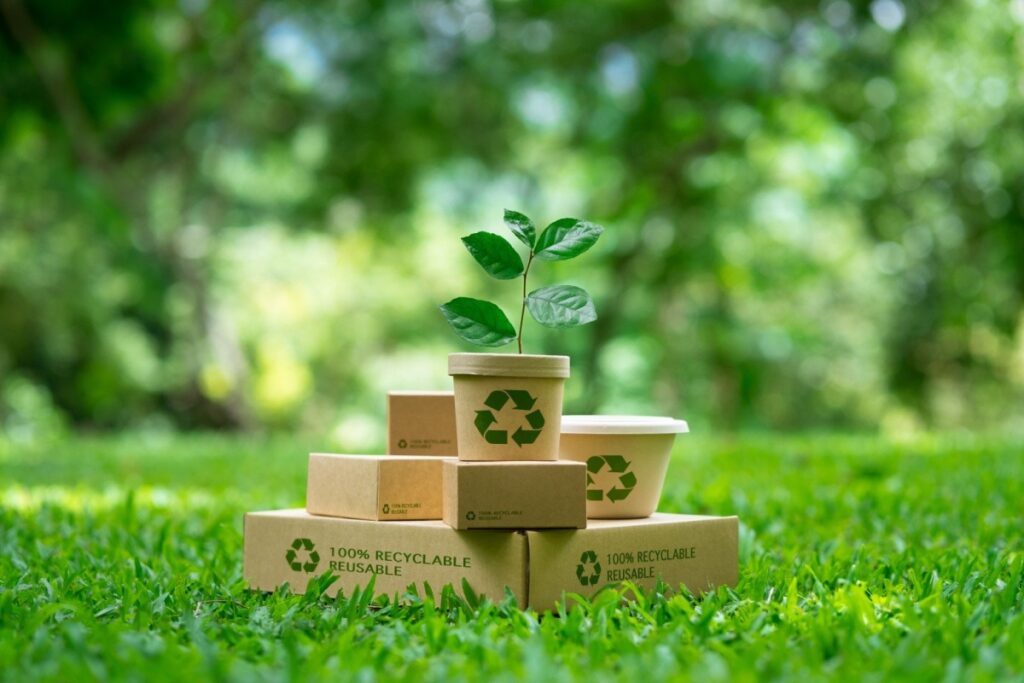
Across industries, companies are reevaluating their packaging choices in response to growing plastic pollution and shifting consumer priorities. Brands that once focused on cost and convenience are now recognizing the need for environmentally friendly materials that support long-term sustainability. For businesses that rely on protective packaging such as fragile glass containers, textile goods, electronics, and retail products, the transition toward plastic-free solutions is both a challenge and an opportunity.
As a trusted manufacturer of chipboard and corrugated box partitions, General Partition stands at the center of this movement. These simple yet powerful products play a vital role in protecting goods during shipping while reducing waste and supporting a healthier planet.
Why the Industry Is Moving Away From Plastic
For decades, single-use plastics like polystyrene, polyethylene terephthalate, and polymer films dominated the packaging industry. Lightweight, durable, and inexpensive, they became the standard for protecting products in containers and on store shelves. However, these same materials have fueled widespread pollution, threatening marine life, wildlife, and public health through the spread of microplastics and the breakdown of phthalates and bisphenol A compounds.
Plastic’s convenience comes at a cost. It does not naturally decompose, and much of it ends up in landfills or oceans. Recycling rates remain low due to limited infrastructure, contamination, and economic barriers. The global shift toward sustainable packaging is therefore driven not only by environmental awareness but also by necessity. Industries must rethink materials to meet future sustainable development goals.
Paper-Based Partitions: A Proven Path Toward Sustainability
While many companies pursue new ventures, like seaweed films, mycelium foams, and polylactic acid bioplastics, paper-based solutions are already setting the standard for sustainable packaging. Chipboard, carton, and corrugated partitions are made from renewable resources such as wood and pulp, offering recyclability and reusability within a functioning circular economy.
Each partition designed by General Partition demonstrates how smart design and simple materials can protect products while minimizing the carbon footprint of the supply chain. Paper-based partitions can be reused multiple times, and when they reach the end of their life cycle, they can be efficiently recycled back into new fiber-based products.
These materials not only reduce greenhouse gas emissions but also replace plastic fillers, foams, and trays that linger for centuries. Their decomposition process returns nutrients to the environment rather than toxins, which supports a world striving for zero-waste solutions.
Reducing Waste Without Compromising Protection
Companies often assume plastic packaging is the only reliable option for product protection, especially for fragile or high-value goods. However, chipboard and corrugated partitions are engineered to absorb heat, resist compression, and create secure compartments that keep products separated during transport.
From bottled beverages to textile items and construction materials, these dividers prevent impact damage, reduce returns, and extend the product’s shelf life while cutting waste and reliance on fossil-based inputs like oil. Compared to molded plastics, fiber partitions require less electricity to produce, generate fewer greenhouse gases, and contribute far less pollution throughout the manufacturing process.
With growing demand for online shopping, these sustainable packaging innovations are helping businesses lower their ecological footprint without sacrificing efficiency or performance.
Cardboard’s Role in the Circular Economy
Paper and carton partitions represent a critical link in today’s circular economy, a system designed to eliminate waste by keeping materials in use for as long as possible. Through consistent recycling programs and access to renewable energy, cardboard and chipboard can be re-entered into the packaging cycle multiple times.
Each recycled fiber reduces the need for virgin raw material extraction, preserving forests and reducing carbon emissions associated with logging and processing. Additionally, because these materials are lightweight, they reduce fuel consumption in logistics and transport, further lowering their carbon footprint.
The ability to recycle cardboard easily across global infrastructure makes it one of the most scalable solutions for sustainable development. By comparison, plastic recycling faces ongoing challenges with data, contamination, and limited market segmentation for recycled resins.
Innovation and Technology in Sustainable Packaging
Modern technology continues to push paper-based materials to new levels of performance. Advanced coatings derived from plant oils and hydrogen-based processes now improve moisture and liquid resistance without introducing harmful chemicals. Developments in pulp molding allow for custom molded pulp inserts that replace foam or blister packs, supporting more responsible business practices.
At the same time, the growing use of renewable energy in production, along with carbon-neutral construction methods and energy-efficient machinery, helps manufacturers further reduce greenhouse gas output. The result is a new generation of packaging solutions that meet consumer demand for eco-conscious options while helping companies achieve measurable sustainability targets.
At General Partition, these advancements result in high-quality chipboard and corrugated partitions that meet the performance standards of modern shipping requirements without adding unnecessary plastic waste to the environment.
Aligning Consumer Values With Sustainable Action
Today’s customers expect more from brands. They look for information about how products are made and what materials are used. They want transparency about carbon reduction, sourcing, and fair trade practices. Choosing environmentally friendly packaging helps brands demonstrate a genuine commitment to the planet and aligns with a global shift toward sustainable development.
This alignment also supports better market segmentation. Companies that prioritize sustainability appeal to growing segments of eco-conscious buyers. From retail shelves to e-commerce warehouses, fiber-based partitions offer a practical and visible way to show environmental accountability. Each carton, divider, or insert conveys that your brand prioritizes resource conservation and the well-being of our shared ecosystem.
Build a More Sustainable Packaging Strategy With General Partition
The shift toward plastic-free packaging is already transforming the global packaging industry, and the demand for reliable, recyclable materials is expected to continue rising. For over half a century, General Partition has helped businesses protect products with chipboard, SBS partitions, and corrugated partitions designed to reduce pollution, waste, and environmental impact.
Our team partners with manufacturers, distributors, and companies across industries to deliver packaging innovations that perform under pressure without compromising the environment. Every solution we create supports sustainability, recycling, and a cleaner future for marine life, wildlife, and our planet.
If your organization is ready to replace plastic packaging with durable, fiber-based solutions that protect both products and the environment, contact General Partition today. Let’s design smarter packaging that strengthens your business, supports the circular economy, and helps drive the world toward a truly plastic-free future.